







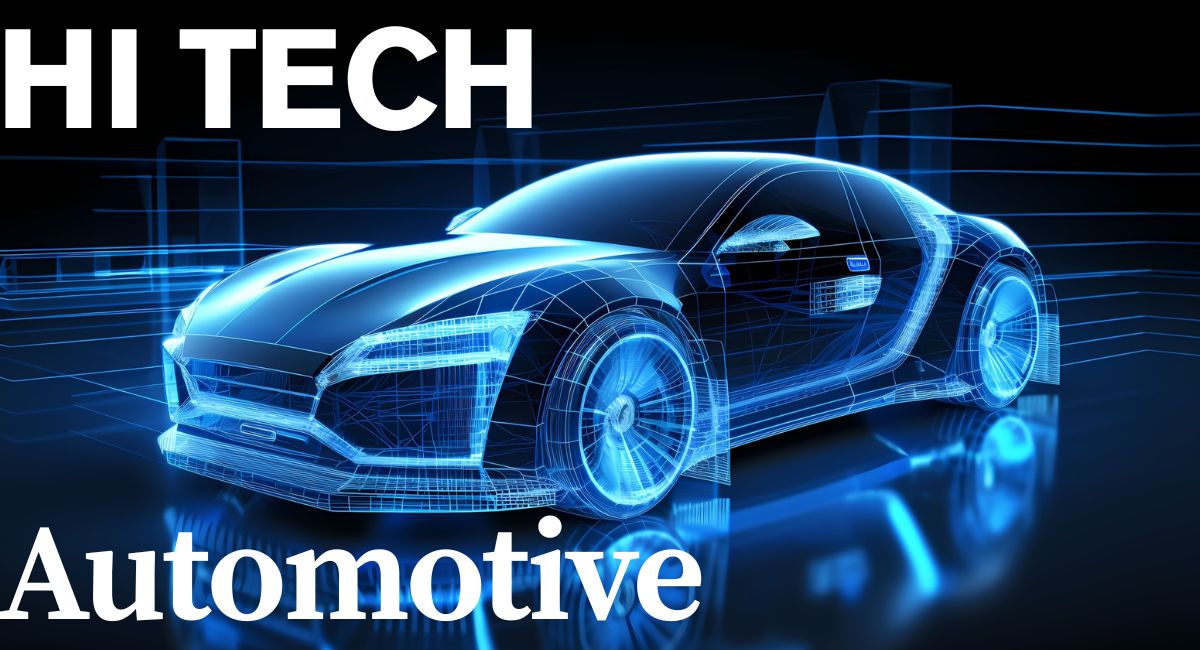
The automotive industry is evolving at an incredible pace, and the term Hi Tech Automotive has become synonymous with innovation, efficiency, and intelligent mobility. From advanced safety systems to electric vehicles and AI-powered diagnostics, modern automotive technology is transforming the way people drive, maintain, and interact with their vehicles.
Today’s vehicles are no longer just machines that transport people from one place to another. They are sophisticated technological platforms equipped with smart features designed to improve safety, comfort, and performance. As technology continues to advance, the high-tech automotive sector is expected to play a vital role in shaping the future of transportation.
What Is Hi Tech Automotive?
Hi Tech Automotive refers to the integration of advanced technologies into vehicles and automotive services. These technologies include artificial intelligence, machine learning, vehicle automation, electric powertrains, connected systems, and predictive maintenance tools.
The goal is to create smarter, safer, and more efficient vehicles. Whether it is a luxury sedan with autonomous driving capabilities or an electric SUV equipped with advanced battery management systems, high-tech automotive solutions are becoming standard across the industry.
The Rise of Smart Vehicles
One of the most significant developments in the hi-tech automotive sector is the emergence of smart vehicles. These vehicles use sensors, cameras, radar systems, and onboard computers to gather and process information in real time.
Smart vehicles can perform tasks such as:
- Automatic emergency braking
- Lane departure warnings
- Adaptive cruise control
- Traffic sign recognition
- Driver monitoring systems
These features not only improve convenience but also reduce the likelihood of accidents, making roads safer for everyone.
Electric Vehicles and Sustainability
Electric vehicles (EVs) have become a major part of the hi-tech automotive revolution. Governments and manufacturers worldwide are investing heavily in EV technology to reduce carbon emissions and dependence on fossil fuels.
Modern electric vehicles offer several advantages:
- Lower operating costs
- Reduced environmental impact
- Quiet operation
- Instant torque and acceleration
- Advanced software integration
Battery technology continues to improve, allowing EVs to travel longer distances on a single charge. As charging infrastructure expands, electric mobility is becoming more practical for everyday drivers.
Artificial Intelligence in Automotive Technology
Artificial Intelligence (AI) is transforming how vehicles operate and how manufacturers design them. AI-powered systems can analyze vast amounts of data and make decisions faster than traditional computing methods.
Some common applications of AI in hi-tech automotive systems include:
Predictive Maintenance
AI can monitor vehicle performance and identify potential issues before they become serious problems. This helps reduce repair costs and prevent unexpected breakdowns.
Autonomous Driving
Self-driving technology relies heavily on AI. Advanced algorithms process data from cameras and sensors to understand road conditions and make driving decisions.
Personalized Driving Experience
Modern vehicles can learn driver preferences such as seat position, climate settings, and navigation habits. This creates a customized and more enjoyable driving experience.
Connected Cars and the Internet of Things
Connected vehicles are another major trend in the hi-tech automotive industry. These vehicles use internet connectivity to communicate with other vehicles, infrastructure, and cloud-based services.
Benefits of connected cars include:
- Real-time traffic updates
- Remote vehicle monitoring
- Over-the-air software updates
- Enhanced navigation systems
- Emergency assistance services
The integration of the Internet of Things (IoT) allows vehicles to become part of a larger digital ecosystem, improving efficiency and user convenience.
Advanced Safety Technologies
Safety remains one of the top priorities in automotive innovation. Hi-tech automotive solutions have introduced numerous safety features that help protect drivers and passengers.
Some of the most important technologies include:
Collision Avoidance Systems
These systems use sensors and cameras to detect obstacles and warn drivers of potential hazards.
Blind Spot Monitoring
Drivers receive alerts when another vehicle enters their blind spot, reducing the risk of side-impact collisions.
Automatic Emergency Braking
If a collision appears imminent, the system can automatically apply the brakes to reduce impact severity or avoid the accident altogether.
Driver Assistance Systems
Advanced Driver Assistance Systems (ADAS) combine multiple technologies to support safer driving and reduce human error.
The Role of Big Data in Automotive Innovation
Modern vehicles generate enormous amounts of data every day. Manufacturers use this information to improve vehicle performance, enhance safety features, and develop new technologies.
Big data helps companies:
- Analyze driving behavior
- Improve fuel efficiency
- Optimize vehicle design
- Predict maintenance needs
- Enhance customer satisfaction
As data analytics capabilities continue to advance, automotive companies can make smarter decisions and deliver better products.
Challenges Facing the Hi Tech Automotive Industry
Despite its rapid growth, the hi-tech automotive industry faces several challenges.
Cybersecurity Risks
Connected vehicles are vulnerable to cyber threats. Manufacturers must invest in strong security systems to protect sensitive vehicle and user data.
High Development Costs
Developing advanced technologies requires significant investment in research, testing, and infrastructure.
Regulatory Compliance
Governments around the world are creating new regulations for autonomous vehicles, data privacy, and electric mobility. Companies must adapt to these changing requirements.
Consumer Adoption
While many drivers embrace new technology, some remain cautious about autonomous systems and fully electric vehicles. Education and awareness are essential for wider adoption.
Future Trends in Hi Tech Automotive
The future of hi-tech automotive innovation looks promising. Several emerging trends are expected to shape the industry over the next decade.
These include:
- Fully autonomous vehicles
- Vehicle-to-vehicle communication
- Advanced battery technologies
- AI-powered mobility services
- Smart city integration
- Sustainable manufacturing practices
As technology becomes more sophisticated, vehicles will become safer, smarter, and more environmentally friendly.
Conclusion
The Hi Tech Automotive industry is revolutionizing transportation through cutting-edge innovation and intelligent vehicle systems. From electric vehicles and artificial intelligence to connected cars and advanced safety technologies, the sector is redefining what modern mobility means.
As manufacturers continue to push the boundaries of innovation, consumers can expect vehicles that are more efficient, secure, and personalized than ever before. The future of transportation is being built today, and hi-tech automotive solutions are leading the way toward a smarter and more sustainable world.