








Introduction to Piragnia Fish
The piragnia fish is one of the most intriguing freshwater species known for its sharp instincts, powerful jaws, and unique role in aquatic ecosystems. Although many people confuse the piragnia fish with other predatory fish species, it has distinctive characteristics that make it stand out. Its fascinating behavior and ecological importance have attracted the attention of fish enthusiasts, researchers, and aquarium hobbyists around the world.
Understanding the piragnia fish helps us appreciate the delicate balance of freshwater environments and the diverse life forms that inhabit them.
What Is a Piragnia Fish?
The term piragnia fish is often used to describe a predatory freshwater fish recognized for its strong teeth and hunting abilities. These fish are commonly associated with tropical river systems and are admired for their intelligence and adaptability.
Scientific Classification
The piragnia fish belongs to a group of freshwater fish that thrive in warm-water ecosystems. Like many predatory fish species, it plays an important role in controlling prey populations and maintaining ecological balance.
Physical Appearance
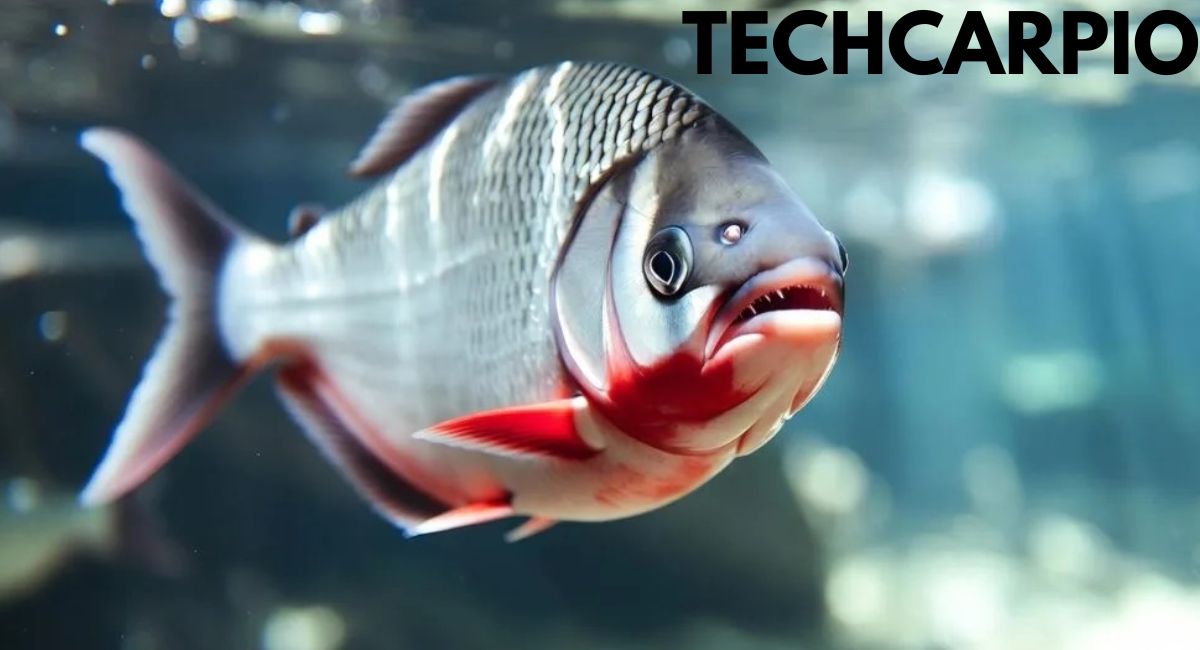
Piragnia fish typically possess:
- Streamlined bodies for swift movement
- Sharp, well-developed teeth
- Powerful jaws
- Strong fins for rapid acceleration
- Bright silver, gray, or reddish coloration depending on the species
Their body structure is specifically designed for survival in dynamic river environments.
Natural Habitat of Piragnia Fish
Rivers and Freshwater Systems
Piragnia fish are commonly found in freshwater habitats such as:
- Tropical rivers
- Floodplains
- Lakes
- Streams
- Slow-moving waterways
These habitats provide abundant food sources and suitable breeding grounds.
Environmental Preferences
The piragnia fish prefers:
| Environmental Factor | Preferred Condition |
|---|---|
| Water Temperature | 22°C–30°C |
| Water Type | Freshwater |
| Oxygen Levels | Moderate to High |
| Vegetation | Moderate Cover |
| Water Flow | Slow to Moderate |
These conditions support healthy growth and reproduction.
Diet and Feeding Habits
What Do Piragnia Fish Eat?
The piragnia fish is primarily carnivorous. Its diet often includes:
- Smaller fish
- Insects
- Crustaceans
- Aquatic invertebrates
- Occasionally plant matter
Young piragnia fish may consume smaller prey until they become large enough to hunt bigger targets.
Hunting Techniques
One reason the piragnia fish is such an effective predator is its hunting strategy. It relies on:
- Excellent sensory perception
- Fast bursts of speed
- Group coordination in some species
- Ambush tactics
These methods increase hunting success while conserving energy.
Behavioral Characteristics
Social Behavior
Contrary to popular belief, not all piragnia fish are aggressive at all times. Their social behavior varies depending on:
- Food availability
- Population density
- Breeding season
- Environmental conditions
Some species form schools for protection and improved hunting efficiency.
Survival Strategies
Piragnia fish use several survival techniques:
- Schooling behavior
- Rapid escape responses
- Territorial defense
- Camouflage within vegetation
These adaptations help them survive in competitive aquatic environments.
Reproduction and Life Cycle
Breeding Season
Breeding generally occurs during warmer months when food resources are abundant. During this period, piragnia fish often become more territorial and protective of nesting areas.
Growth and Development
The life cycle includes:
- Egg stage
- Larval stage
- Juvenile stage
- Adult stage
Growth rates depend on water quality, food supply, and environmental stability.
Importance in the Ecosystem
Piragnia fish serve several important ecological functions:
- Regulating prey populations
- Removing weak or sick animals
- Supporting biodiversity
- Contributing to nutrient cycling
Without predators like the piragnia fish, freshwater ecosystems could become imbalanced.
Common Myths About Piragnia Fish
Many myths surround the piragnia fish. Let’s separate fact from fiction.
| Myth | Reality |
|---|---|
| They attack everything in sight | Most avoid unnecessary conflict |
| They are always aggressive | Behavior depends on circumstances |
| They only eat meat | Some species consume plant material |
| They are dangerous to humans | Incidents are relatively rare |
These misconceptions often arise from sensational stories rather than scientific observation.
Threats and Conservation
Despite their adaptability, piragnia fish face several threats:
- Habitat destruction
- Water pollution
- Climate change
- Overfishing
- River modification projects
Conservation efforts focus on preserving freshwater habitats and promoting sustainable fishing practices.
For additional information about freshwater fish conservation, visit the official website of the World Wildlife Fund.
Keeping Piragnia Fish in Aquariums
Some experienced aquarists keep piragnia fish in large aquariums. Successful care requires:
- Spacious tanks
- Strong filtration systems
- Stable water conditions
- Appropriate diet
- Compatible tank mates
Because of their predatory nature, they are generally recommended for advanced fish keepers.
Interesting Facts About Piragnia Fish
Here are 15 fascinating facts:
- Piragnia fish can detect movement quickly.
- They possess powerful jaw muscles.
- Many species live in schools.
- Their teeth continuously remain sharp.
- They can adapt to changing water conditions.
- Some species show parental care.
- They help maintain ecosystem balance.
- Their coloration can vary significantly.
- They have excellent sensory abilities.
- Juveniles often eat different foods than adults.
- They can accelerate rapidly when hunting.
- Their habitats support rich biodiversity.
- They communicate through movement and behavior.
- Some species grow surprisingly large.
- They have fascinated scientists for decades.
Frequently Asked Questions
1. What is a piragnia fish?
A piragnia fish is a freshwater predatory fish known for its strong jaws, sharp teeth, and important ecological role.
2. Where do piragnia fish live?
They typically inhabit rivers, lakes, and freshwater systems in warm climates.
3. Are piragnia fish dangerous to humans?
In most cases, piragnia fish avoid humans and pose little risk when left undisturbed.
4. What do piragnia fish eat?
Their diet mainly includes smaller fish, insects, crustaceans, and aquatic organisms.
5. Can piragnia fish be kept in aquariums?
Yes, but they require large tanks, specialized care, and experienced handling.
6. Why are piragnia fish important?
They help regulate prey populations and contribute to healthy aquatic ecosystems.
7. How long do piragnia fish live?
Their lifespan varies by species and environmental conditions, but many can live several years in suitable habitats.
Conclusion
The piragnia fish remains one of the most fascinating freshwater predators in the aquatic world. Its unique physical features, remarkable hunting abilities, and ecological importance make it a valuable part of river ecosystems. While myths often exaggerate its behavior, scientific research shows that these fish are complex creatures with important roles in maintaining environmental balance.
By understanding the piragnia fish and supporting freshwater conservation efforts, we can help ensure that future generations continue to benefit from the biodiversity and ecological services these remarkable fish provide.