







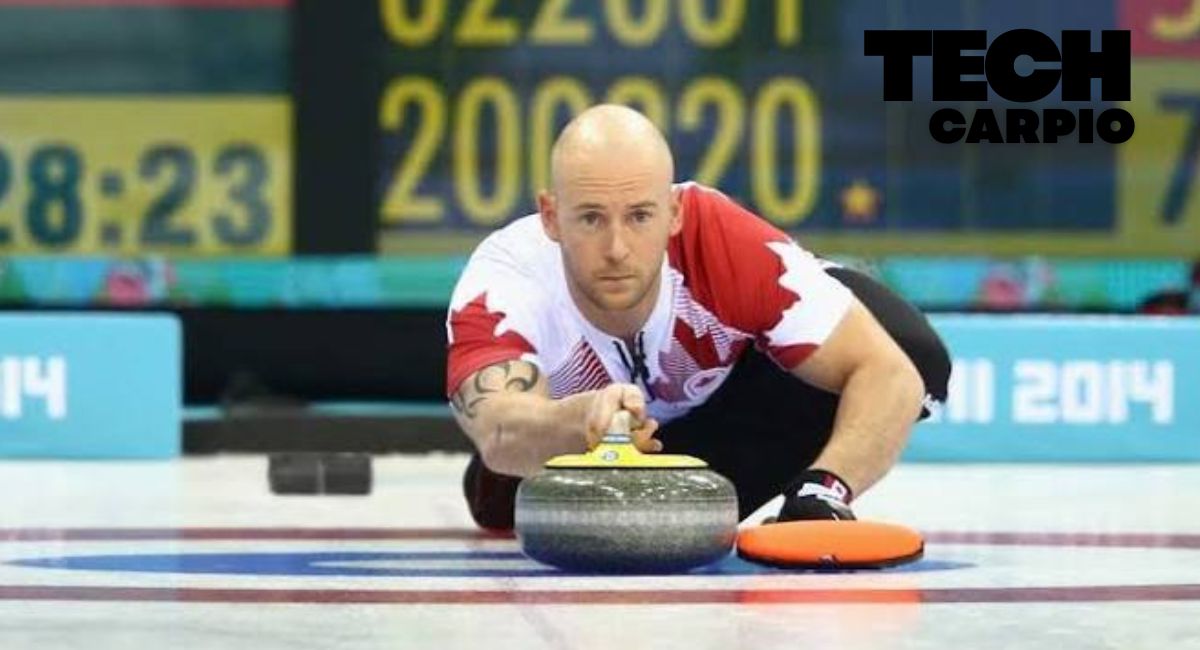
Olympic curling is often called “chess on ice” because it combines strategy, precision, and teamwork. One of the most fascinating aspects of the sport is the use of brushes. If you have ever watched an Olympic curling match, you may have noticed players vigorously sweeping the ice in front of a moving stone. This action is not just for show—it plays a critical role in determining where the stone ends up.
So, how do brushes affect the stone’s path in Olympic curling? The answer lies in the science of friction, ice conditions, and strategic teamwork. Let’s explore how brushing influences the movement of a curling stone and why it is such an essential skill in the game.
Understanding the Basics of Curling
Curling is played on a long sheet of ice where players slide heavy granite stones toward a target area known as the “house.” The goal is to place stones closer to the center than the opposing team.
A curling stone does not travel in a perfectly straight line. Instead, it naturally curves or “curls” as it moves across the ice. This curved path is a defining feature of the sport and creates many strategic opportunities.
To control this movement, players use specialized brushes while the stone is in motion.
What Is a Curling Brush?
A curling brush is a lightweight tool with a handle and a fabric-covered brush head. Modern curling brushes are designed to be durable and effective at interacting with the ice surface.
The brush itself does not touch the stone. Instead, players sweep the ice directly in front of the moving stone. This action changes the ice conditions and influences how the stone travels.
How Brushing Changes the Ice
The primary purpose of brushing is to reduce friction between the stone and the ice.
When curlers sweep rapidly, they generate a small amount of heat on the ice surface. Although the temperature change is minimal, it is enough to create a smoother path for the stone.
This smoother surface allows the stone to:
- Travel farther
- Maintain speed longer
- Reduce the amount of curl
- Follow a more predictable path
Without brushing, the stone would slow down more quickly and curl more dramatically.
Increasing the Distance of the Stone
One of the most noticeable effects of brushing is increased travel distance.
As sweepers polish the ice surface, the stone encounters less resistance. Because friction is reduced, the stone loses less energy while moving.
This means that a stone that might have stopped short of the target can continue traveling several additional feet with effective sweeping.
At the Olympic level, even a few inches can determine whether a team scores points or loses an end. Therefore, controlling distance is one of the most important reasons for brushing.
Reducing the Curl of the Stone
Another significant effect of brushing is reducing the stone’s natural curl.
A curling stone rotates slightly as it moves across the ice. This rotation causes the stone to bend left or right depending on the direction of the spin.
When players brush in front of the stone, they create a smoother path. This reduces the interaction between the stone and the textured ice surface, causing the stone to curl less.
As a result, sweepers can help keep a stone on a straighter line and prevent it from drifting too far off course.
Helping the Stone Stay on Target
Accuracy is essential in curling. Players often aim for narrow openings between other stones or attempt delicate shots near the center of the house.
Brushing allows sweepers to make small adjustments while the stone is moving.
The team communicates constantly during a shot. The skip, who serves as the team captain, watches the stone’s progress and instructs sweepers when to brush harder, stop brushing, or adjust their position.
This teamwork helps maximize the chances of a successful shot.
Strategic Use of Brushing
Brushing is not used on every shot in the same way. Different situations require different sweeping strategies.
For example:
Draw Shots
A draw shot aims to place a stone in a specific location within the house.
Sweepers may brush aggressively to help the stone reach the desired distance while maintaining a controlled path.
Guard Stones
Guard stones are positioned in front of the house to block opponents.
In these situations, teams may brush only enough to ensure proper placement without sending the stone too far.
Takeouts
Takeout shots are designed to remove opposing stones.
Since these shots are usually thrown with greater force, brushing is often used to maintain line and accuracy rather than increase distance.
The Science Behind Olympic Sweeping
Modern curling has embraced scientific research to understand brushing effects.
Studies have shown that sweeping can slightly warm the ice and temporarily alter its texture. Advanced brush materials have also been developed to improve sweeping efficiency.
Because technology has such a strong impact on performance, international curling organizations regulate brush designs to ensure fair competition.
These regulations help maintain the balance between athletic skill and equipment advantages.
Physical Demands of Brushing
Brushing may look simple, but it requires considerable strength and endurance.
Olympic curlers often sweep with significant downward force while moving quickly alongside a stone. During a match, players may repeat this effort dozens of times.
Effective sweeping requires:
- Upper-body strength
- Cardiovascular endurance
- Coordination
- Communication skills
This physical aspect is one reason curling is far more demanding than many casual viewers realize.
Why Brushing Matters in Olympic Curling
So, how do brushes affect the stone’s path in Olympic curling? Brushes influence the stone by reducing friction, increasing travel distance, minimizing curl, and helping maintain an accurate line toward the target.
What appears to be simple sweeping is actually a sophisticated combination of physics, strategy, and athleticism. Every brush stroke can influence the outcome of a shot, and every shot can affect the result of a match.
At the Olympic level, where precision is measured in inches, brushing becomes one of the most powerful tools a curling team possesses. Understanding this skill reveals why curling is such a fascinating and highly strategic sport that continues to captivate audiences around the world.