








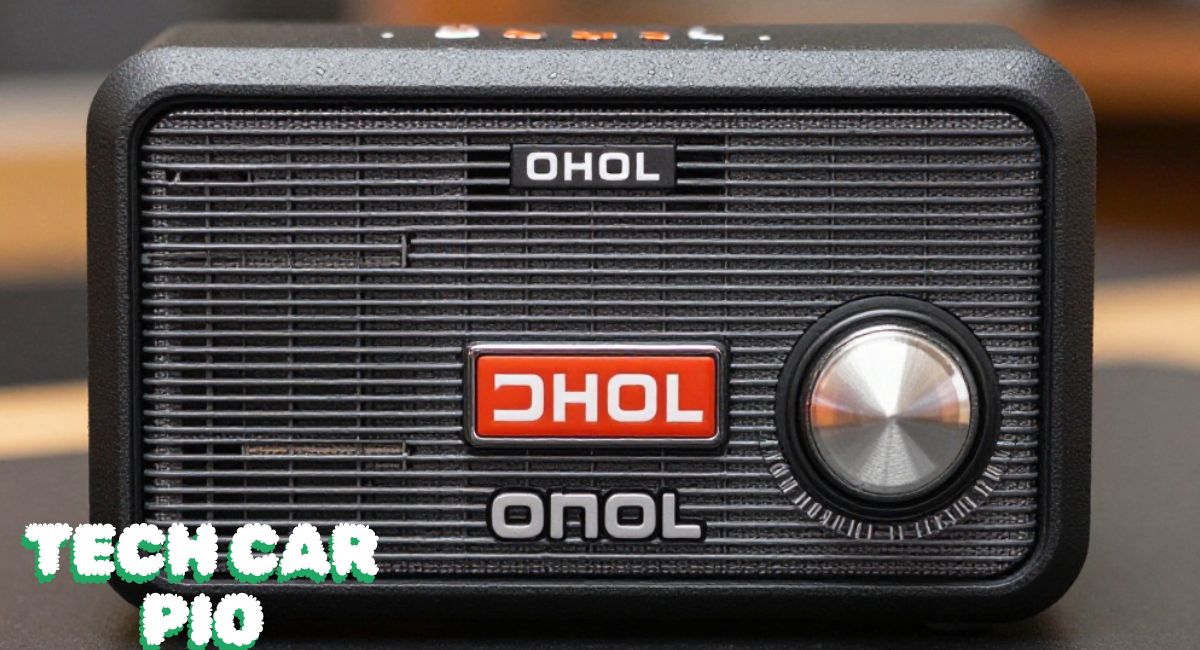
Radio technology has evolved dramatically over the past decade. What was once a simple medium for broadcasting music and news has transformed into an intelligent, connected ecosystem powered by digital innovation. Among the emerging terms gaining attention in technology discussions is Ohol Radio One Tech. While information about this term remains limited in public sources, it is increasingly associated with modern radio solutions, digital broadcasting innovations, smart connectivity, and enhanced listener experiences.
Understanding what Ohol Radio One Tech represents can help businesses, broadcasters, technology enthusiasts, and everyday users appreciate the direction in which radio technology is heading.
What Is Ohol Radio One Tech?
Ohol Radio One Tech appears to refer to a technology-focused radio platform or concept centered on improving how audio content is delivered, managed, and consumed in the digital age.
Unlike traditional radio systems that rely heavily on analog broadcasting, modern radio technologies focus on:
-
Digital transmission
-
Internet-based streaming
-
Cloud integration
-
Smart device compatibility
-
Enhanced audio quality
-
Interactive listener engagement
The concept reflects the broader movement toward connected media experiences where listeners can access content anytime and from virtually any device.
Why Modern Radio Technology Matters
Many people assume radio is an outdated medium. In reality, radio continues to reach millions of listeners worldwide every day.
The difference is that today’s radio platforms are no longer limited to physical radio receivers. Modern systems now operate through:
-
Smartphones
-
Tablets
-
Smart speakers
-
Connected vehicles
-
Desktop applications
-
Web browsers
Technology has transformed radio from a one-way communication channel into an interactive digital experience.
Key Features Associated With Advanced Radio Technology
Digital Audio Broadcasting
Digital broadcasting offers significantly better sound quality than traditional analog systems.
Benefits include:
-
Reduced signal interference
-
Clearer audio output
-
Better frequency efficiency
-
Additional data transmission capabilities
Listeners can enjoy higher-quality content without many of the limitations found in older broadcasting methods.
Internet Streaming Integration
One of the most significant developments in radio technology is internet streaming.
Instead of relying solely on broadcast towers, stations can now stream content globally.
Advantages include:
-
Worldwide accessibility
-
On-demand listening
-
Multi-device support
-
Personalized content delivery
This capability allows broadcasters to reach audiences far beyond their local markets.
Smart Device Compatibility
Modern radio systems increasingly integrate with smart technologies.
Examples include:
-
Voice assistants
-
Smart home systems
-
Wearable devices
-
Connected vehicles
Users can access audio content through simple voice commands, creating a more convenient listening experience.
Cloud-Based Infrastructure
Cloud technology has revolutionized broadcasting operations.
Cloud platforms help organizations:
-
Store audio archives
-
Manage content remotely
-
Scale operations efficiently
-
Improve reliability
This reduces hardware requirements and simplifies maintenance processes.
Benefits of Ohol Radio One Tech Style Solutions
Improved User Experience
Modern radio technology focuses heavily on user satisfaction.
Listeners benefit from:
-
Personalized recommendations
-
Higher-quality audio
-
Faster access to content
-
Cross-device synchronization
These improvements help create a more engaging and enjoyable experience.
Greater Accessibility
Traditional radio coverage often depends on geographic limitations.
Digital radio solutions remove many of these barriers by allowing internet-based access from virtually anywhere with a connection.
Better Audience Analytics
One major advantage of digital platforms is data collection.
Broadcasters can better understand:
-
Listener behavior
-
Popular programs
-
Engagement patterns
-
Audience demographics
These insights help improve content quality and strategic decision-making.
Cost Efficiency
Digital broadcasting technologies can reduce operational expenses through:
-
Automated scheduling
-
Remote management
-
Cloud infrastructure
-
Reduced equipment requirements
Organizations can often achieve greater efficiency while serving larger audiences.
Real World Applications
Media Broadcasting
Radio stations use advanced technologies to improve content delivery and audience engagement.
Features often include:
-
Live streaming
-
Mobile applications
-
Podcast integration
-
Real-time listener interaction
Educational Platforms
Educational institutions can leverage digital radio technologies for:
-
Online lectures
-
Campus broadcasting
-
Educational podcasts
-
Remote learning support
Emergency Communications
Reliable communication remains critical during emergencies.
Advanced radio technologies help distribute important information quickly and efficiently across multiple channels.
Business Communications
Organizations increasingly use audio broadcasting tools for:
-
Internal announcements
-
Corporate communications
-
Employee training
-
Industry updates
This creates more flexible communication systems across distributed teams.
Challenges Facing Modern Radio Technology
Despite its advantages, modern radio technology also faces several challenges.
Connectivity Dependence
Many digital solutions require stable internet access.
In regions with limited connectivity, users may experience interruptions or reduced service quality.
Cybersecurity Concerns
As broadcasting systems become more connected, security risks increase.
Organizations must invest in:
-
Secure infrastructure
-
Data protection
-
Access controls
-
Continuous monitoring
Competitive Digital Landscape
Radio now competes with:
-
Video streaming platforms
-
Social media content
-
Music streaming services
-
Podcasts
Success requires constant innovation and audience engagement.
Technology Adoption Costs
Transitioning from legacy systems to modern platforms may require significant investments in infrastructure, training, and support.
How Organizations Can Benefit From Modern Radio Innovations
Businesses and broadcasters seeking to embrace advanced radio technologies should focus on several key areas.
Prioritize Mobile Accessibility
Most users consume content through mobile devices.
Optimizing experiences for smartphones and tablets can significantly improve engagement.
Invest in Quality Content
Technology alone does not guarantee success.
Valuable, informative, and entertaining content remains the foundation of audience growth.
Leverage Analytics
Data-driven decision-making helps organizations identify trends and improve performance over time.
Embrace Multi-Platform Distribution
Audiences expect flexibility.
Providing access through websites, mobile apps, podcasts, and smart devices can maximize reach and engagement.
The Future of Radio Technology
The future of radio technology is likely to be shaped by several emerging trends.
Artificial Intelligence
AI can help improve:
-
Content recommendations
-
Audience analysis
-
Automated scheduling
-
Voice interaction
Personalized Listening Experiences
Future platforms will increasingly tailor content to individual preferences and listening habits.
Enhanced Connectivity
The expansion of faster networks will support higher-quality streaming and more reliable access.
Integration With Smart Ecosystems
Radio platforms will continue to become part of broader connected environments involving homes, vehicles, and wearable devices.
As these technologies mature, listeners can expect more seamless and personalized experiences than ever before.
Frequently Asked Questions
What is Ohol Radio One Tech?
Ohol Radio One Tech appears to refer to a modern technology-oriented radio concept focused on digital broadcasting, smart connectivity, and enhanced audio experiences.
How is modern radio different from traditional radio?
Modern radio uses internet streaming, cloud platforms, and smart device integration, while traditional radio primarily relies on analog broadcasting signals.
What are the benefits of digital radio technology?
Key benefits include better audio quality, wider accessibility, improved analytics, personalized content, and enhanced user experiences.
Can radio technology work without traditional radio receivers?
Yes. Modern radio services can operate through smartphones, computers, smart speakers, and internet-connected devices.
Why is radio still relevant today?
Radio remains relevant because it provides accessible, real-time information, entertainment, education, and communication across multiple digital platforms.
What technologies are shaping the future of radio?
Artificial intelligence, cloud computing, smart devices, advanced analytics, and faster internet connectivity are among the most important technologies influencing radio’s future.
Conclusion
Ohol Radio One Tech represents the broader transformation taking place within the radio industry. Modern radio is no longer limited to conventional broadcasting methods. Instead, it combines digital innovation, cloud infrastructure, smart connectivity, and user-focused experiences to meet the expectations of today’s audiences.
As technology continues to evolve, radio platforms that embrace digital transformation will be better positioned to deliver higher-quality content, reach larger audiences, and remain competitive in an increasingly connected world. Understanding these developments provides valuable insight into how audio communication will continue to evolve in the years ahead.



Hi, this is a comment.
To get started with moderating, editing, and deleting comments, please visit the Comments screen in the dashboard.
Commenter avatars come from Gravatar.